


The dinner rush has just started.
Orders stack up on glowing screens behind the counter while customers flow in and out of the restaurant. A teenager stands at the register, taking orders, calling out numbers, and wiping down the counter between patrons. Their shift is far from over, but their mind is already calculating the rest of the night: shower, eat, homework due tomorrow, an exam later in the week, and another shift in two days.
For many high school students, this kind of schedule is not unusual. It’s normal.
Yet despite juggling school, part-time jobs, sports, clubs, and family responsibilities, Generation Z continues to be characterized by many as “lazy.”
The stereotype has become a talking point across social media, workplaces, and everyday conversations. Older generations often claim that young people do not want to work, lack motivation, or expect too much from employers. But, many teenagers say this label ignores what their daily lives actually look like.
Gen Z is not avoiding work. They are trying to balance it.
Rather than letting work define their entire identity, many young people are trying to build lives that include education, income, health, and personal time. To them, success is not just about how many hours are worked, but whether life outside of work still exists.
The idea that Gen Z is lazy has grown louder in recent years.
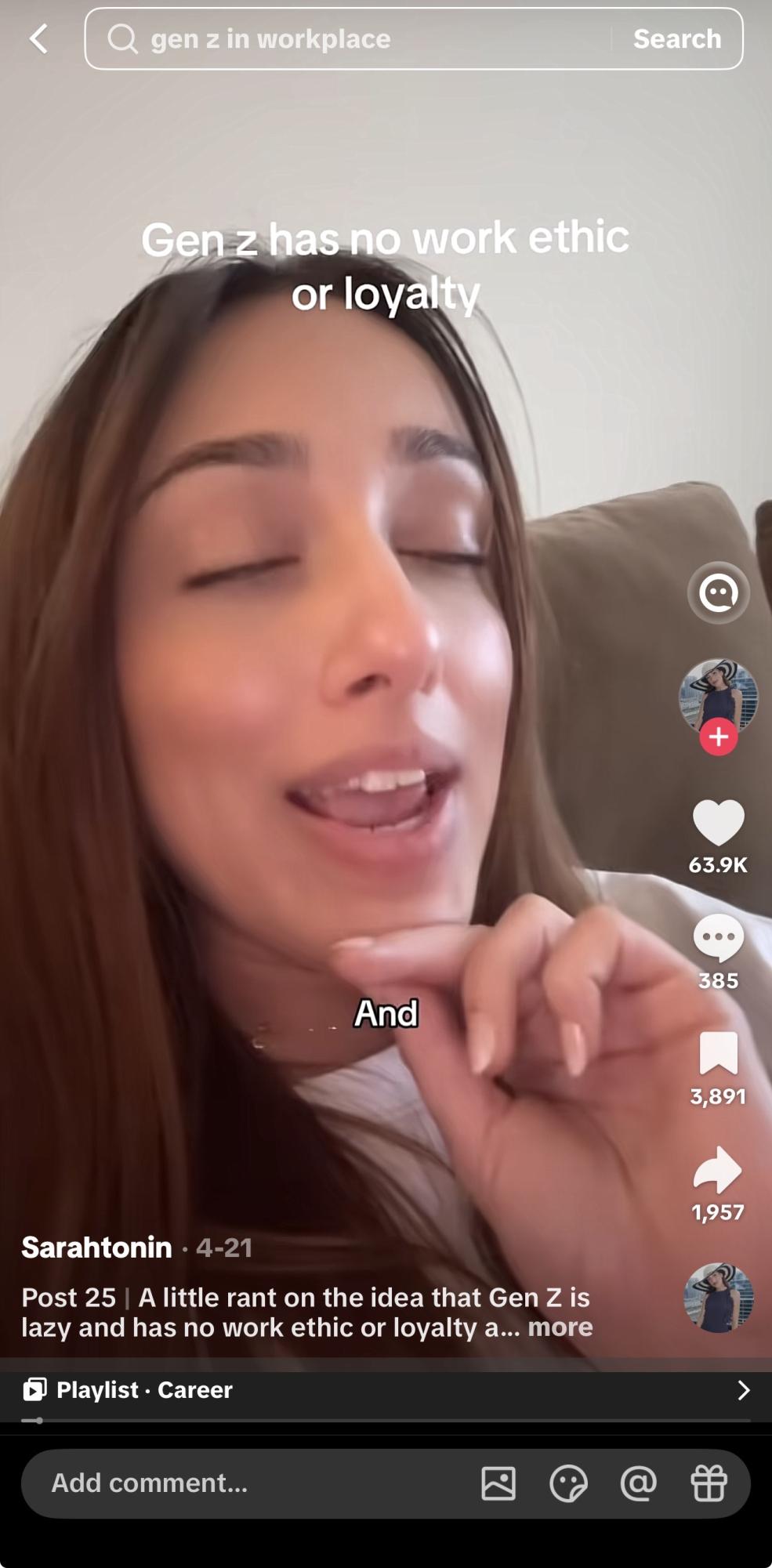 Online videos criticizing young workers regularly gain millions of views. Comment sections often repeat the same claims; that teenagers are unreliable, unmotivated, or unwilling to “work hard.” In some workplaces, managers express frustration about communication styles or scheduling expectations.
Because these opinions are repeated so often, they can start to feel like facts.
But students who are currently living this reality often describe something very different.
“I work about 22 hours a week and still have homework every night. People say we do not want to work, but most of us are just trying to keep up,” claims Yade Capkin, a high school senior juggling work, clubs, homework, AP classes, meetings, and a part-time job.
For many teenagers, school itself is already a full-time responsibility. The school day alone can stretch close to seven hours. After that, students often go straight to extracurricular activities like sports, theater, band, volunteering, or academic clubs. Others head directly to work shifts that last more than several hours.
By the time they return home, the day is not finished. Homework still waits.
I asked senior Lola Rafael how she felt about the criticism:
“I feel like older people think we are solely lazy,” she claims, “they do not see school, jobs, and everything else we are juggling at once.”
Time becomes one of the biggest challenges. Many students say their schedules are planned down to the hour, leaving little flexibility during the week. Rest, social time, and hobbies often get pushed aside simply to keep up.
Part of the misunderstanding may come from a difference in how generations view work.
In many older workplaces, long hours were seen as proof of dedication. Staying late, taking fewer breaks, and prioritizing work above personal life were commonly viewed as signs of commitment. Work was not just something people did. It was something that defined them.
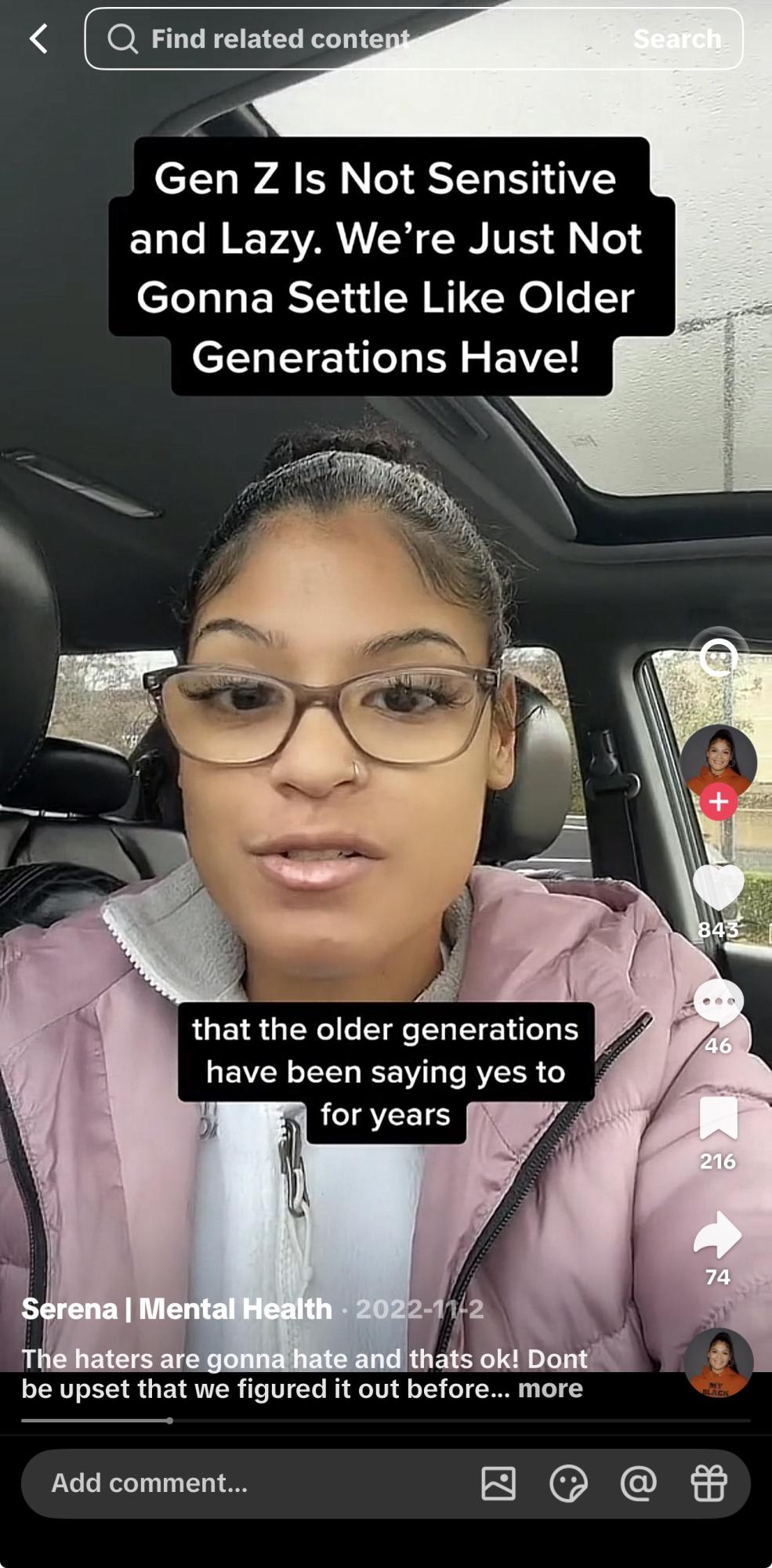 Many members of Gen Z are challenging that idea.
Instead of believing that success requires constant work, they often prioritize balance. They want time for friends, family, education, rest, and mental health. Critics sometimes interpret this as laziness, but supporters argue it reflects a shift toward healthier expectations.
Wanting balance does not mean avoiding responsibility. It means redefining what responsibility looks like.
Employers who work closely with young people often see both strengths and challenges.
I spoke to an anonymous source, my co-worker who is a Millennial, about how they felt working with teenagers:
“A lot of our younger employees learn systems quickly and adapt fast, especially with technology. They work differently than older staff, but not necessarily worse.”
Many managers note that Gen Z workers are comfortable with digital tools that are now essential in most jobs. They are quick to learn new systems, adapt to changes in software, and communicate through modern platforms that older generations may have had to learn later in life.
However, some employers also point out that younger workers may need more guidance in areas like communication or time management. Still, many agree that their adaptability is a major strength.
Technology plays a major role in how Gen Z is perceived.
Older generations may see teenagers on their phones and assume they are distracted or disengaged. What is not always visible is what those devices are actually being used for. Many students, like myself, rely on their phones and laptops to manage schedules, complete schoolwork, communicate with employers, and organize their responsibilities.
A teenager checking their phone may not be wasting time. They may be working, studying, or responding to a shift change.
Teachers and counselors see this reality every day.
Many educators argue that demands placed on students today are heavier than in the past. College expectations, career preparation, extracurricular involvement, and academic performance. All compete for attention before students even graduate high school.
In addition to that, students are growing up in a world where social media adds constant pressure. They are expected to build resumes earlier, plan careers sooner, and make decisions about their futures while still being teenagers.
These combined pressures leave little room for the idea that students are doing nothing.
Of course, not every criticism of Gen Z is completely unfounded.
Some employers report issues with punctuality, communication, or consistency among younger employees. And like any generation, Gen Z includes individuals with different levels of motivation and work ethic.
But broad generalizations can be misleading.
Every generation has been criticized by the ones before it. Baby Boomers were once called rebellious and irresponsible. Generation X was described as unmotivated. Millennials were labeled entitled. Now, Gen Z is facing its turn.
Workplaces are also changing in ways that shape this conversation.
Remote work, flexible schedules, and increased attention to mental health have shifted how many people define a “good job.” Gen Z has grown up during this transition, so these expectations feel normal rather than radical.
What older generations may see as a lack of commitment, younger workers often see as a healthier way to live.
As the school day ends, the pattern continues.
Students leave classrooms and head to practices, workplaces, tutoring sessions, and home assignments. Many do not have large blocks of free time, but instead move from one responsibility to the next.
They are earning money, gaining experience, meeting expectations, and still trying to grow up at the same time.
The stereotype of laziness does not fully capture this reality.
Gen Z is not refusing to work. They are working within a system that demands more from them earlier than ever before, while also trying to protect time for their own lives.
The real difference may not be effort,
It may be perspective.
And in a world that looks very different from the one that came before it, that difference matters more than people think.