

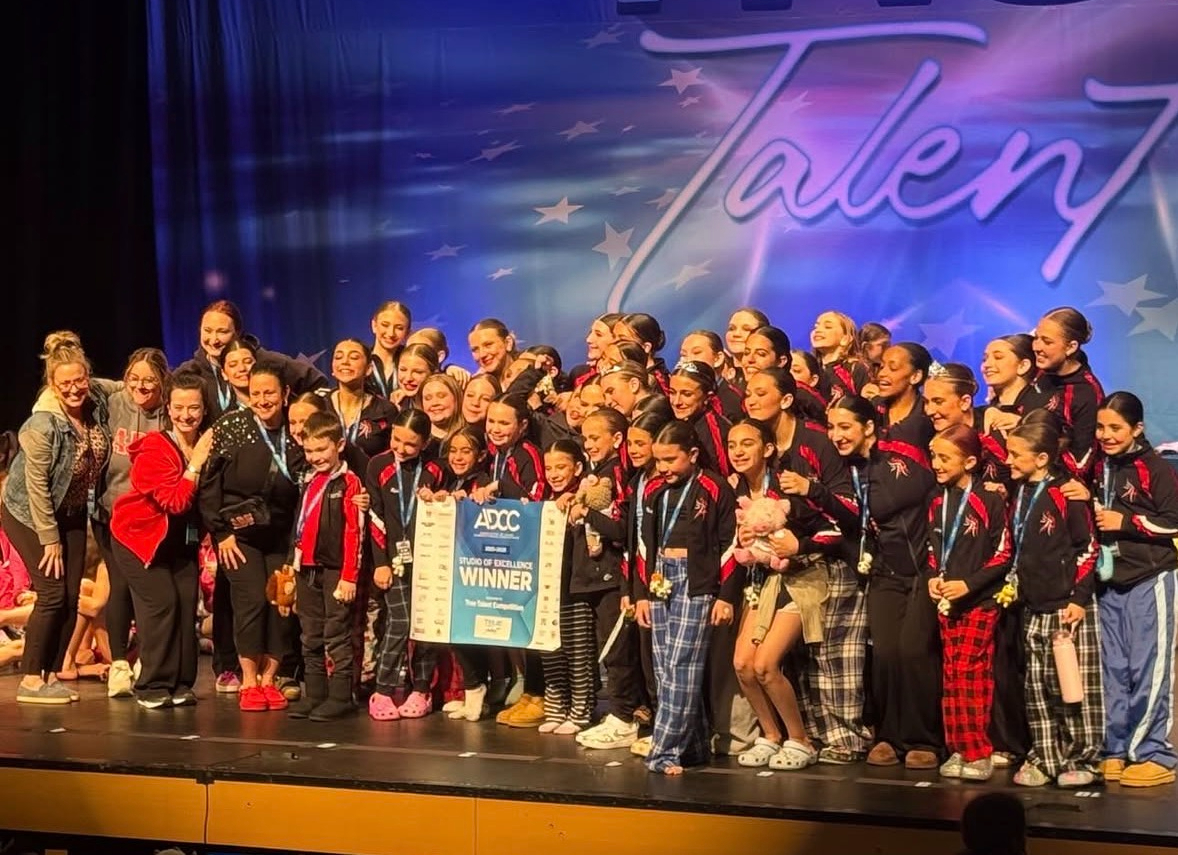
As a dancer of 13 years, who spends a lot of time at her studio, I can confidently say that dance is a sport. At least not in the same way that soccer, football, and basketball are sports.
Before beginning to speak on this heavily debated topic, I think I should begin with the definition of a sport:
A sport is broadly defined as “an activity involving physical exertion and skill, governed by a set of rules or customs, and often undertaken competitively.”
Dancers for years and years have been faced with not having privileges of those who do “real sports.”
Lululemon reportedly excluded dancers and dance teachers from its Sweat Collective program (which provides a 25% discount to fitness professionals). The company soon after faced backlash from the dance community.
College dance programs often receive significantly less funding than NCAA sports. This classification generally excludes dance teams from standard varsity budgets and athletic scholarships.
The UMASS Amherst Dance Team is considered a club sport which means they are responsible for all their own major travel, competition, and gear expenses.
Because their limited university funding is typically exhausted during summer camp, the team relies heavily on grassroots campaigns, corporate sponsorships, and university platforms to cover the roughly $30,000 needed to compete at the UDA College Nationals in Orlando.
In October of 2025, the dance team posted a TikTok asking for help from the community. They stated that they get opportunities where they love to represent UMASS at an athletic level. But with a smaller team than most D1A schools, and less recognition as a university, they struggle to raise the funds to attend this competition to expand and grow their program.
Similarities and Differences
Even though dance usually follows certain styles, it utilizes creative freedom. So if a choreographer wants to add contemporary elements to their jazz dance, they can.
I believe that is the biggest difference between dance and regular sports.
Let’s take soccer for example: there are specific rules to play, and whoever wins, wins. For a dance competition, it is heavily based on what the judge thought of the dance. While there is a technical element, a dance number could get 9th place at one competition and win 1st at another. This all has to do with different dances and studios you are competing against and the different judges opinions.
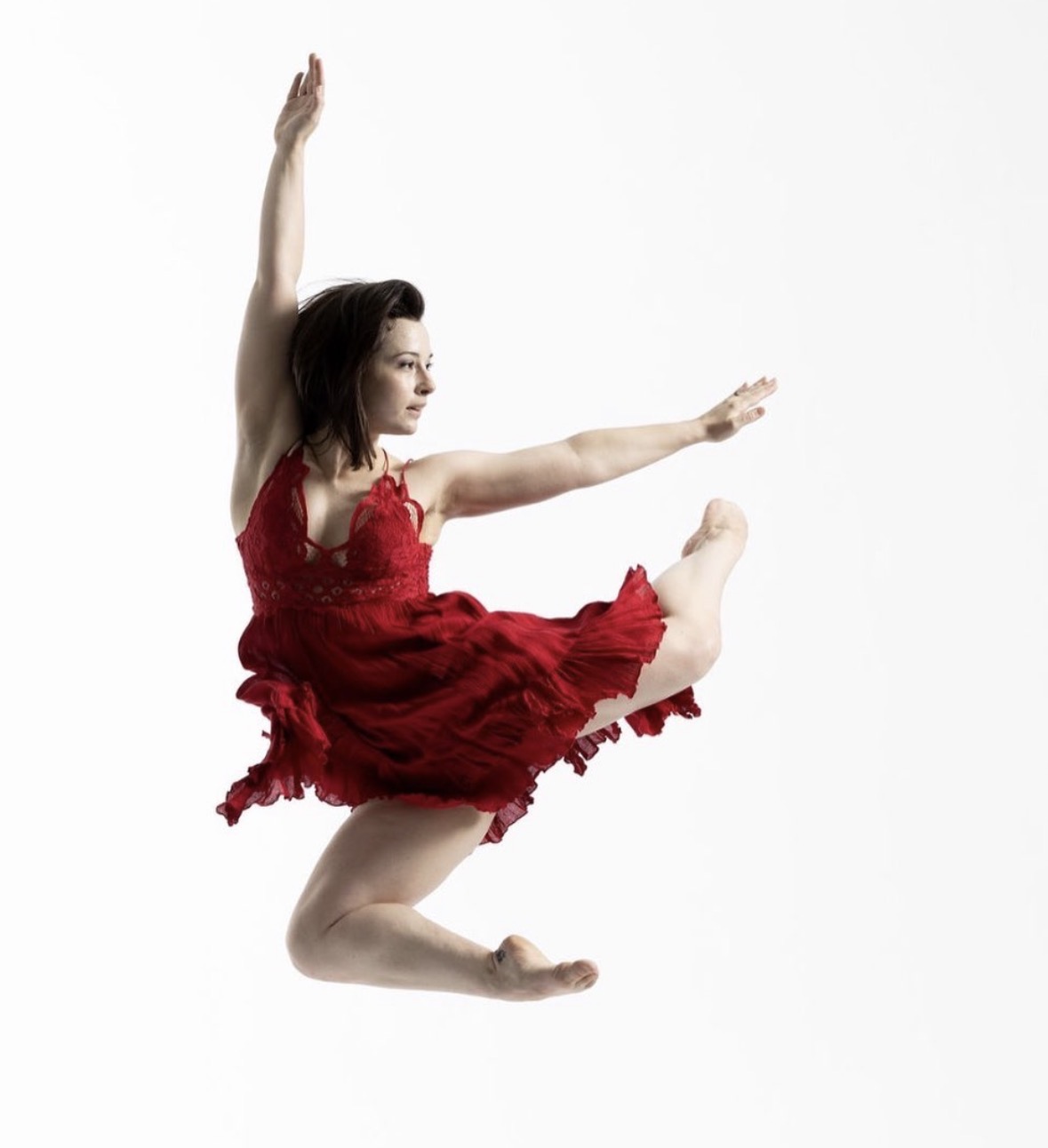
I interviewed one of my dance teachers, Meghan Anderson, from Alegria Dance & Fitness and asked her a series of questions.
Do you think dance is a sport or not?
- “I think that dance goes above and beyond being just a sport. It requires both extreme athleticism and artistry.”
What would you say are some similarities and differences between the training of dancers and other athletes?
- “There are many similarities in training for dance and other sports. Just like other athletes, dancers use their body as their instrument. It must be at optimal strength and a condition to do what is required. We train our core muscles, leg muscles, arm muscles, really our whole body through exercise in each class. Push ups, planks, crunches, cardio, etc… The difference is that we also train specific muscles that most sports don’t focus on. We train our feet muscles and toe muscles to optimize balance. We focus on our leg rotator muscle more than any other sport, to optimize rotation. We also train flexibility like no other sport. Dancers are asked to bend and contort their bodies in ways that may seem “unnatural” to outsiders but are perfectly normal to us. Strength and flexibility are both required and demanded for dance.”
How much physical exertion and training is required to excel in dance?
- “Just like any sport or art form, dance requires dedication. Many hours of practice and training daily, go into becoming an elite dancer. Dancers exercise their bodies with demanding exercises, but they also exercise their mind with complex series of movements and patterns in choreography. They must learn new movements quickly and memorize them. Dance is incredibly demanding, both physically and mentally.”
Next, I went around and asked peers at LHS whether they thought dance was a sport or not. I received a variety of answers such as: yes, yes but only competitively, and no. I interviewed one of the people who said no and one who said yes.
I asked a student at LHS, who’d like to remain anonymous, whether they think dance is a sport or not, they replied no:
Why do you think dance is not a sport?
- “I think dance is not a sport because it emphasizes art over scoring and winning. Winning in a sport depends on speed, discipline, and skill, while dancing expresses emotions and is more of an activity/hobby. Dance is more for entertainment and evolved from cultures, but sports were made to be competitive.”
Do you think dance requires physical skill?
- “Yes I think dance requires skill. You have to have balance and technique, but that doesn’t necessarily qualify it to be a sport.”
What does it mean for something to be a “sport” in your opinion?
- “For something to be a sport it should depend on agility, winning with a scoring system, and being fast.”

As for the yes reply, I asked LHS varsity soccer athlete Junior, Madelyn (Maddy) Riley, whether she thinks dance is a sport or not, she had replied yes:
Why do you think dance is a sport?
- “I think a sport is anything that takes physical activity, exertion, effort, and strength. You guys have good bodies and you guys are in shape. It takes physical exertion and physical talent to be able to do it, and so I think that makes it a sport.”
What similarities do you see between dance and other sports?
- “I feel like dance is a lot like gymnastics to me. I think of it as gymnastics because of the way you move your body and muscles you use. I feel like dance is super meticulous, it’s like down to the details… I think I would tie it to gymnastics most probably, but I think it’s probably one of the hardest sports you can do.”
What makes dance more than just an art form?
- “It’s the physical use of your body. It’s hard, that’s what makes it a sport to me, it’s challenging and it takes a lot of athletic ability, that’s what makes it a sport. Instead of an art, I picture an art form as like, it doesn’t take physical exertion or physical activity but dance is really hard so that’s why i see it more than just an art form.”
This debate on if dance is a sport is not black and white, and does tend to become more complicated when dancers express they are both artists and athletes.
Whether labeled as an art, sport, or both, dancers should pride themselves not just on technical skill, but on individuality, creativity, and passion. These are the elements that truly elevate a dancers performance further and allow dancers to embrace movement as a language that cannot be expressed through any other medium.
Dance being more widely recognized as a sport would not only open up more opportunities for dancers but also validate the incredible athleticism and dedication involved.