

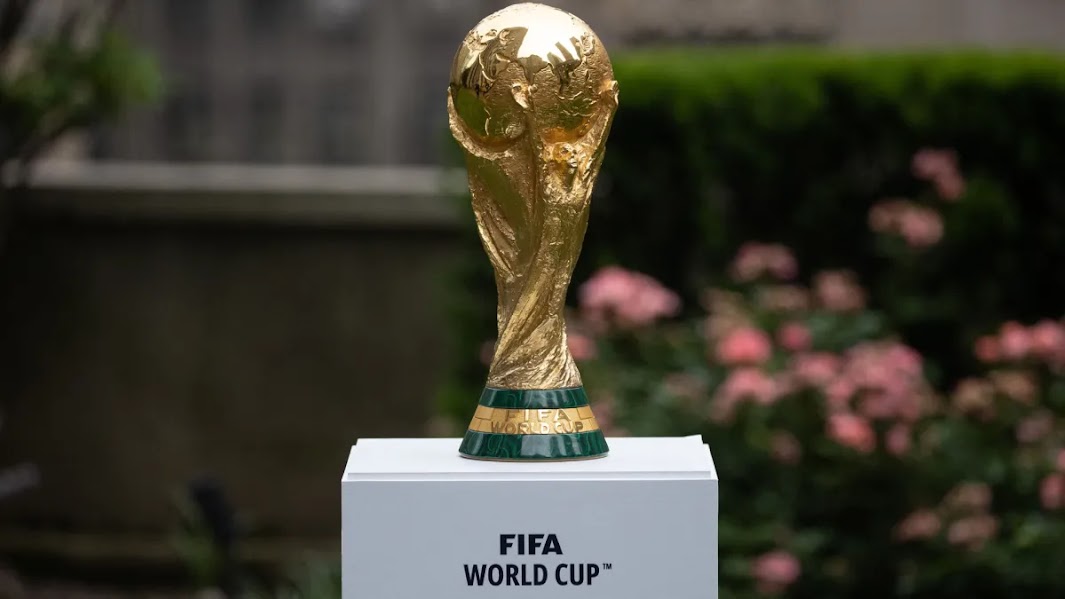
Hours before the game begins, the stadium is surrounded with fans from different countries, each wearing team jerseys, flaunting their country’s flag, singing songs, and celebrating the game of soccer together. The atmosphere erupts into a global festival with people speaking different languages, but coming together to share the same excitement and enthusiasm for the game.
Energy builds. The stands become a beautiful painting of colors, flags, jerseys, and banners representing various nations. Loud chants and songs echo throughout the stadium as the crowd erupts in cheers, creating feelings of anticipation and pure joy.
Emotions change with every play—strangers hugging strangers, flags waving in the air, fans jumping, clapping, and singing at the top of their lungs. A celebration of national pride, culture, and connection. An experience like no other.
For as long as history can remember, this atmosphere has been the definition of the FIFA World Cup. The tournament has brought people together from different backgrounds through a mutual love and passion for the game of soccer. But, as the 2026 FIFA World Cup grows closer by the day, many fans are beginning to wonder whether the tournament is becoming more about profit and less about the sport itself.
With ticket prices reaching extraordinary highs and strict immigration policies creating barriers for international fans, the World Cup experience is becoming almost unattainable for ordinary supporters.
A Dream Becoming More Expensive
Rising ticket prices has sparked concern as to whether soccer is becoming less accessible to the very fans that helped build the soccer community.
For one of Ludlow’s lifelong soccer fans, attending a World Cup game has always been a dream and was so close to becoming a reality:
“Going to a World Cup game has always been on my bucket list,” he said, “But, buying a ticket for $999 was far out of my price range.”
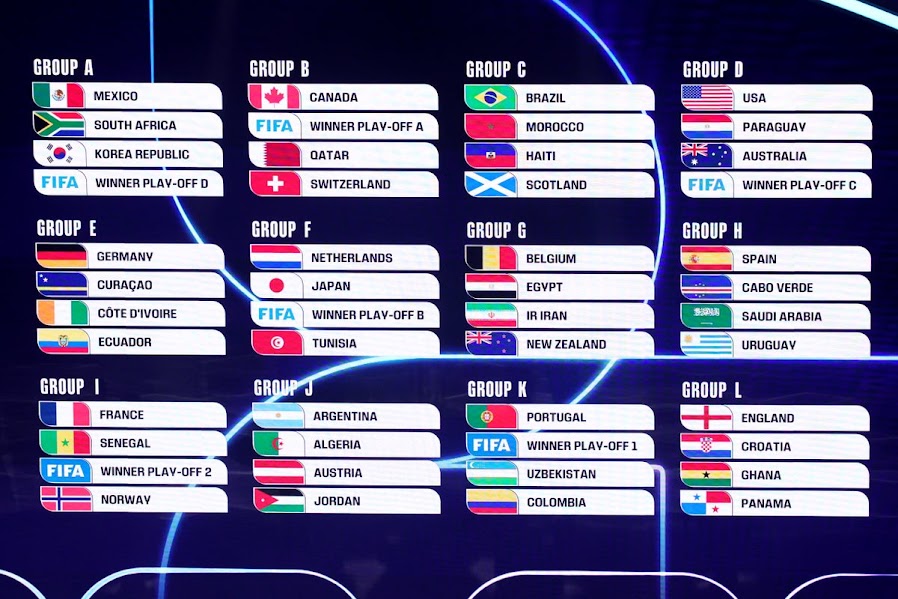 And he is not the only one. FOX Sports reports that ticket prices for the 2026 FIFA World Cup have risen dramatically in comparison to previous World Cup tournaments. This year, FIFA has expanded the tournament from 38 teams to a total of 48 teams, with 104 matches lasting over nearly six weeks.
While the increase in the number of games means more opportunities for fans to attend, it also means more tickets to sell. But how much is too much?
The most desirable seats for significant matches are expected to cost several thousands of dollars, in addition to other expenses such as travel, hotels, and food. According to FOX Sports, the face value of a ticket package for the World Cup final could reach an astounding $33,000 with FIFA expecting to generate approximately $9 billion in revenue from the tournament.
Those in favor argue that high demand naturally drives prices higher. However, critics believe that such high ticket prices are driving out the dedicated fans who created the soccer community in the first place.
When compared to past World Cup tournaments, the difference is undeniable. USA Today reported that, in 1994, a Germany-Spain World cup match held at Soldier Field in Chicago had an average ticket price of about $58. Today, this number is unimaginable; the minimum ticket price ranges from hundreds to thousands of dollars.
Even the United States men’s national team’s first opening match has failed to sell out, with FIFA struggling to fill the seats and pricing tickets just above $1,000.
This year’s prices have reminded us that soccer has begun to prioritize profits over its fans.
More Than Just Business
Soccer represents something much deeper than profits and ticket sales. It transcends languages, politics, and nationalities to create a “beautiful game”, bringing together billions of people together to share in their mutual love and celebration of the sport.
In our small town of Ludlow, Massachusetts, our rich history is defined by our century-old soccer culture, a legendary varsity program, and the legacy of many championship teams. As the “Soccer Capital of New England,” our deep soccer roots continue to grow and transform players, coaches, and teams throughout the region.

Ludlow High School girls’ varsity soccer coach, Mrs. Nacsin, is just one of the many who have been greatly impacted by the sport:
“Soccer has been in my life for as long as I can remember,” she stated, “I still play to this day and can’t imagine stopping anytime soon.”
Nacsin believes the sport’s unique ability to connect people is what makes it so special.
“Soccer is considered a ‘beautiful game’ because of how in unison the players need to be with each other and the ball. It combines simplicity, emotion, creativity, and connection in a way almost no other sport does.”
While she believes that these prices won’t reduce television viewership, Nacsin feels more measures should have been taken to make the tournament more accessible to fans.
“I do not think it will change the viewership, but being the hosts of such a major world tournament, it would have been amazing if there was some type of plan put in to provide easier access to tickets for the general public,” she said.
Challenges Beyond Ticket Prices
For fans traveling out of the country, the cost of ticket prices is only part of the problem.
According to CBS News, lengthy processing times for visas and strict U.S. immigration policies may prevent international fans from attending World Cup matches. Visitors from outside the country must first obtain a B1/B2 tourist visa before gaining entry into the United States.
Nonetheless, receiving a visa does not completely guarantee admission into the country.
Tessy Ortiz, an immigration attorney, told CBS News:
“Some of them are going to be denied at the port of entry—because having a visa does not guarantee the entry.”
Increased security screenings, possible involvement of Immigration and Customs Enforcement (ICE), and the uncertainty of border policies have become a major concern for international fans wishing to attend games in the U.S. For these supporters hoping to travel thousands of miles to support and cheer on their team, challenging with immigration only creates additional problems.
In hopes to resolve the issue, the U.S. Department of State launched the FIFA Priority Scheduling System. By providing fans who purchased tickets directly through FIFA with faster visa interview appointments, they’re almost guaranteed faster service than those who purchased from secondary methods.
While the program may help a large majority of travelers, the question remains as to whether all supporters will be able to attend these World Cup games.
What Does This Mean For Soccer Fans?
Soccer is supposed to be a people’s game, an experience for everyone to enjoy in person. Whether it be in the stands or on the sidelines, televised games will never compare to the feeling of truly being there.
For Ludlow student athlete Maddy Riley, attending a World Cup game would be a once in a lifetime opportunity, especially as a lifelong soccer player:
“Attending a World Cup game would mean a lot to me since the World Cup is the biggest soccer competition in the world full of the best soccer players in the world,” she said, “Unfortunately with ticket prices so high, it is unattainable for most people to attend those games.”
Maddy’s perspective is just one of many that reflects the growing concern among soccer fans. Originally, the World Cup was created to celebrate soccer on a global level by bringing countries, communities, and cultures together to share their passion for the game.
But as prices rise and become far out of reach for the general public, many supporters feel excluded from an event that was once meant for everyone.
Is There A Solution?
With the start of the tournament being so close, it is very unlikely that ticket prices will drop dramatically before the World Cup officially begins. However, several solutions have been suggested for the future of the tournament.
- FIFA could reserve a large percentage of game tickets at affordable prices for local supporters and longtime fans.
- Cities hosting matches could reduce travel, transportation, and parking for ticket holders.
- The government itself could continue working to solve the visa process, helping international fans to attend games more easily.
Though these changes will not eliminate every challenge entirely, they could help preserve the meaning of the World Cup and the numerous factors that make it so special.
The World Cup shouldn’t be valued based on revenue. It should be measured by the thousands of fans who travel across continents to attend games, the communities that gather together around televisions to watch every televised game, and the memorable moments that unite all people together for a common love for soccer.
The 2026 FIFA World Cup promises to be the biggest soccer tournament in history—but the question is whether it will remain accessible for the fans who made it so meaningful in the first place.