

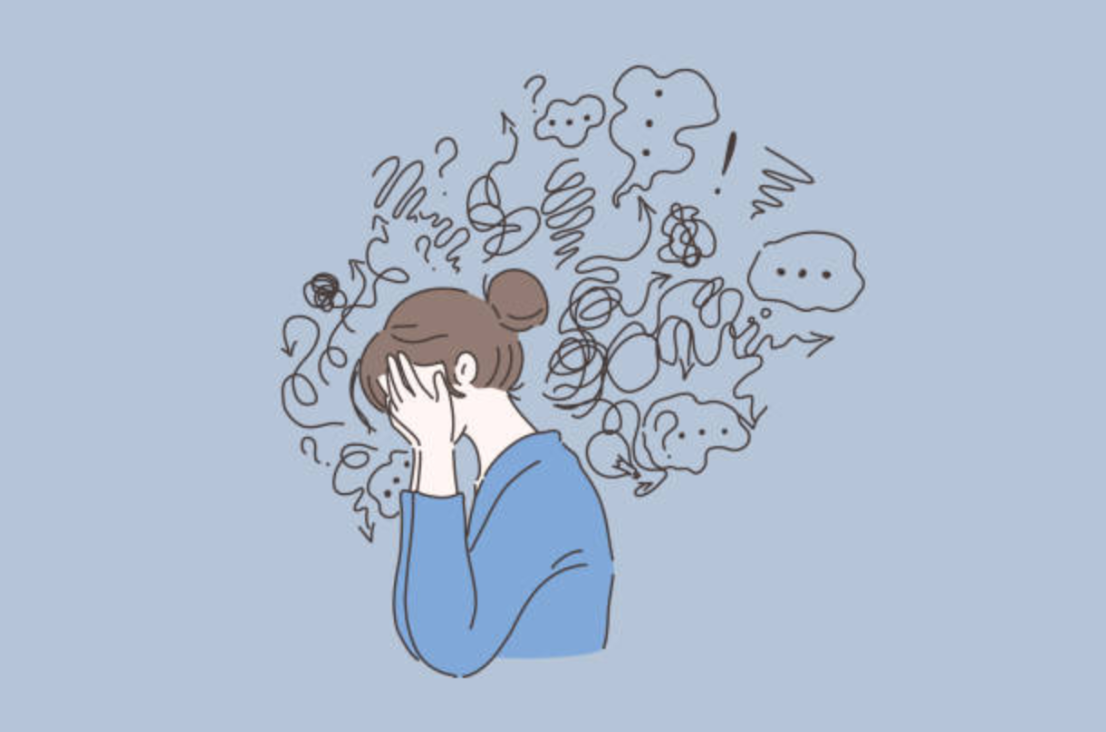
I was engulfed in a sea of people, gripping my mom’s hand as if I were to be swallowed by a human whirlpool. The obnoxious vehicles with thundering horns scraped their tires across the streets while I grabbed onto my mom with increasing strength. I tilted my head up. “Giants!” I thought to myself as I leaned closer to my mom’s side, feeling like I’d be absorbed into the crowd. Their deafening screeches irritated my ears as my arms shot up to cover them and drown out the sound.
As a child, I couldn’t process the stressful and chaotic aspects of my daily life, so I would shut down and disappear into my own world. This dilemma is commonly known as anxiety, a disorder in which fear and stress submerge your mind.
In “my world,” as I’d like to call it, I was able to withdraw from the things that were causing me to feel anxious. However, this wasn’t always the best way to deal with my anxiety. It enabled me to only do things that were in my comfort zone where I would rarely take risks or try something new.
The older I got, the more reliant I was on my parents to be the voice that I hadn’t yet found. I noticed that I would back away from social situations and let other people make decisions for me. It was just easier that way. It got to the point where I was practically mute in public. My parents realized that there was a problem and something needed to be done.
They sent me to therapy to try to help. However, this approach didn’t work. After the failed attempts of therapy, my parents decided to take matters into their own hands.
Exposure therapy, the idea of someone facing their fears by gradually stepping outside of their comfort zone, is what they chose to do and is the best way to persevere through anxiety.
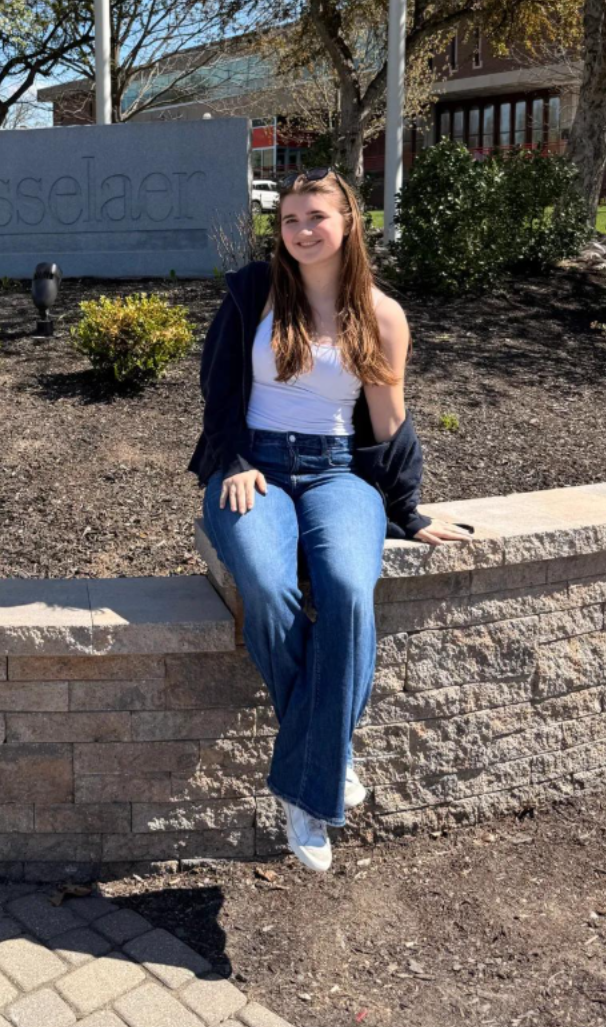
This method has benefitted several people in my life. One of these people is Michaela Murphy. Michaela shared that:
“I used to be really anxious as a kid, and I used to shy away from other people in conversations. Joining clubs in middle school and high school changed that for me, and I met more people. I realized that talking to people and making friends isn’t really that bad.” – Michaela Murphy.

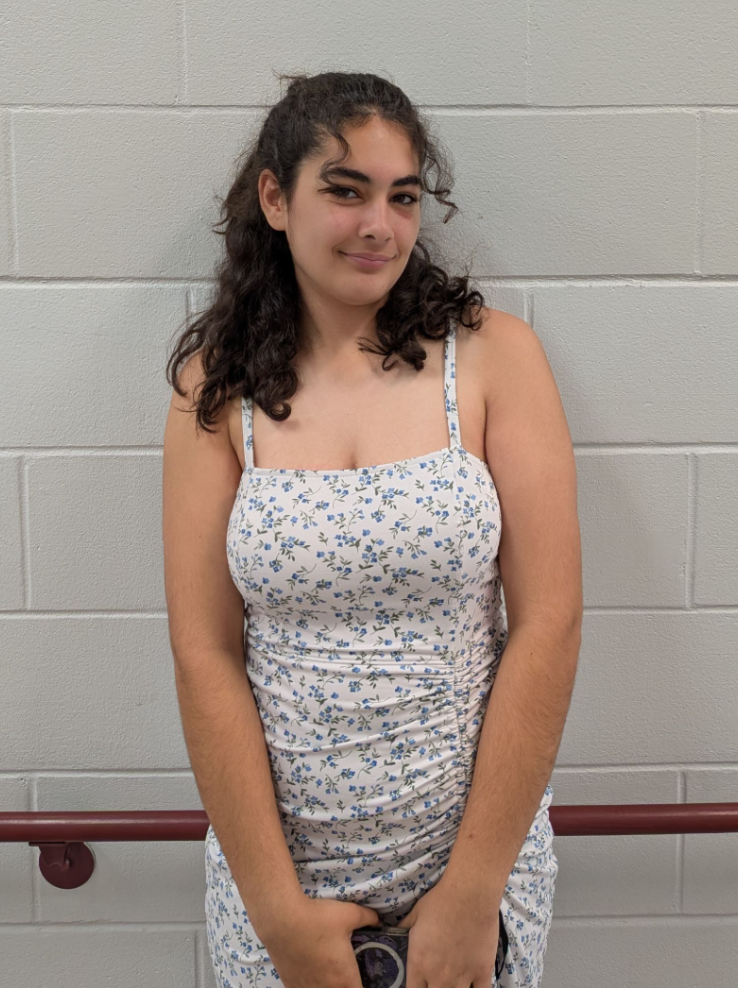
Someone else who has benefitted from the act of exposure therapy is Manahil Atif. She stated that:
“Exposing myself more to things like presenting in class has made me a lot less anxious and nervous about it now.” – Manahil Atif
Isabella Leutsch is yet another person who has experienced the success of exposure therapy. Isabella explains:
“Back when I was younger, I didn’t talk to people. Then, I started talking to them and realized it doesn’t matter. People don’t care or remember everything that you say.” – Isabella Leutsch
All three of these individuals are some of many who have persevered through their anxiety and grown as people. If they hadn’t pushed themselves to overcome their struggles, then they wouldn’t be where they are today.
By going outside of their comfort zones, my friends were able to overcome some of their stress and anxiety. Talking to people and making new friends gradually started to become easier for them to do as well. They stopped letting fear hold them back, and they successfully became their own people.
Furthermore, throughout my personal experience, exposure therapy has continuously proven to be the most effective. I started off by taking small steps towards my goals, with the assistance of my parents, of course. They encouraged me to begin speaking up for myself in public and gave me the confidence to do so. Speaking to a server to order food at restaurants, for example, has always been a huge struggle for me. I decided that this would be the foundation of my journey toward managing anxiety.
I was around eight years old when my parents told me that I would be ordering my own dinner for the first time. As if it were a chain reaction, fear and irrationality took over my brain.
However, deep down I knew that the decision was simple. I would either order my own food and eat, or I would sit there with nothing and watch everyone else enjoy their meals. With this in the back of my mind, I mustered up the courage and ordered my meal.
“That wasn’t that bad,” I admitted to my parents as the server walked away. The realization that nothing bad would happen and nobody was judging me immediately followed.
Instead of accepting defeat, I took the necessary steps to overcoming a fear. Needless to say, it took multiple instances of ordering for myself to officially eliminate this uncertainty. Progress was finally being made, and speaking up for myself was becoming easier to do. Exposure therapy was starting to work.
It was getting over the fear of speaking for myself that allowed me to get better at the thing I dreaded the most—class presentations.
The first presentation I had ever given was in middle school. My teacher informed the class that we would be researching a topic and presenting it. I had never given a presentation before, and right on cue, my anxiety came barging in like a wrecking ball.
My heart rate began to increase as the thoughts inside of my head were racing. Acting as if nothing was happening, I began researching my topic.
While looking up information, I stumbled across several words that I didn’t know how to pronounce. Even after searching up what they meant and how to pronounce them, I still hesitated from including them in my presentation. The fear of other people judging me based on my pronunciation was one of many factors that caused the most anxiety from class presentations. Fortunately, I was able to work around this and come up with wording that was similar to what was stated in my research.
After rehearsing at home for what felt like centuries, presentation day had finally arrived. We were given the opportunity to volunteer for when we would present, and to my surprise I felt my arm spring up into the air.
I decided to go second. Getting over my fear of speaking to people in public actually helped me feel less anxious about presenting to the class. Of course, I was still nervous since I didn’t know what to expect, but I was willing to put myself out there and take a risk—something I normally wouldn’t have done. Exposure therapy was helping me with more of my daily struggles than I realized.
It was finally my turn to present. I got up from my seat in the middle of the room, picked up my reference sheet off of my desk, and made my way to the front.
Looking out into the audience, I could feel butterflies swarming in my stomach. Internally, I repeated to myself, “This is the exact same thing as speaking to people in public. Everyone is listening, and nothing bad will happen.” I took a deep breath and started my presentation.
The words flowed out of me naturally, and I started to calm down. I knew my topic well and was prepared. My presentation was a success.
I walked back to my seat feeling accomplished. I was proud of myself for focusing on the bigger picture instead of my anxiety. Being exposed to public speaking reinforced the fact that nobody is judging me, and that people (especially middle schoolers) don’t pay attention to the way things are said.
As more class presentations were assigned, I became more confident in myself. Exposure to public speaking allowed my voice to shine through my anxiety, and I was finally able to be my own person. For my entire life, I had been hiding behind a barrier of irrationality that shielded me from the world and held back my true self. Once I let that guard down, I became more outgoing and willing to take risks.
I am a much more assertive person today than I ever imagined as a young child. In my high school experience so far, I’ve joined clubs, done community service, and taken challenging classes where presentations happen frequently. All of this is possible because of exposure therapy.
Exposure therapy has pushed me to become the best version of myself. It opened a door to a new world of authenticity that taught me to be true and not blend into society. Thanks to this, I have accomplished more than my younger self believed was possible.
If I could go back in time and tell the little girl who gripped her mother’s hand for dear life out of fear of the public eye, I would tell her to let go and face the world with confidence.