


As schools across the state prepare for stricter phone policies, many districts are turning to Yondr pouches as a possible solution. New legislation being discussed at the state level would limit or ban phone usage during the school day, causing schools to search for ways to enforce the rule fairly and consistently.
Yondr pouches are lockable, fabric cases that students keep with them in their backpacks during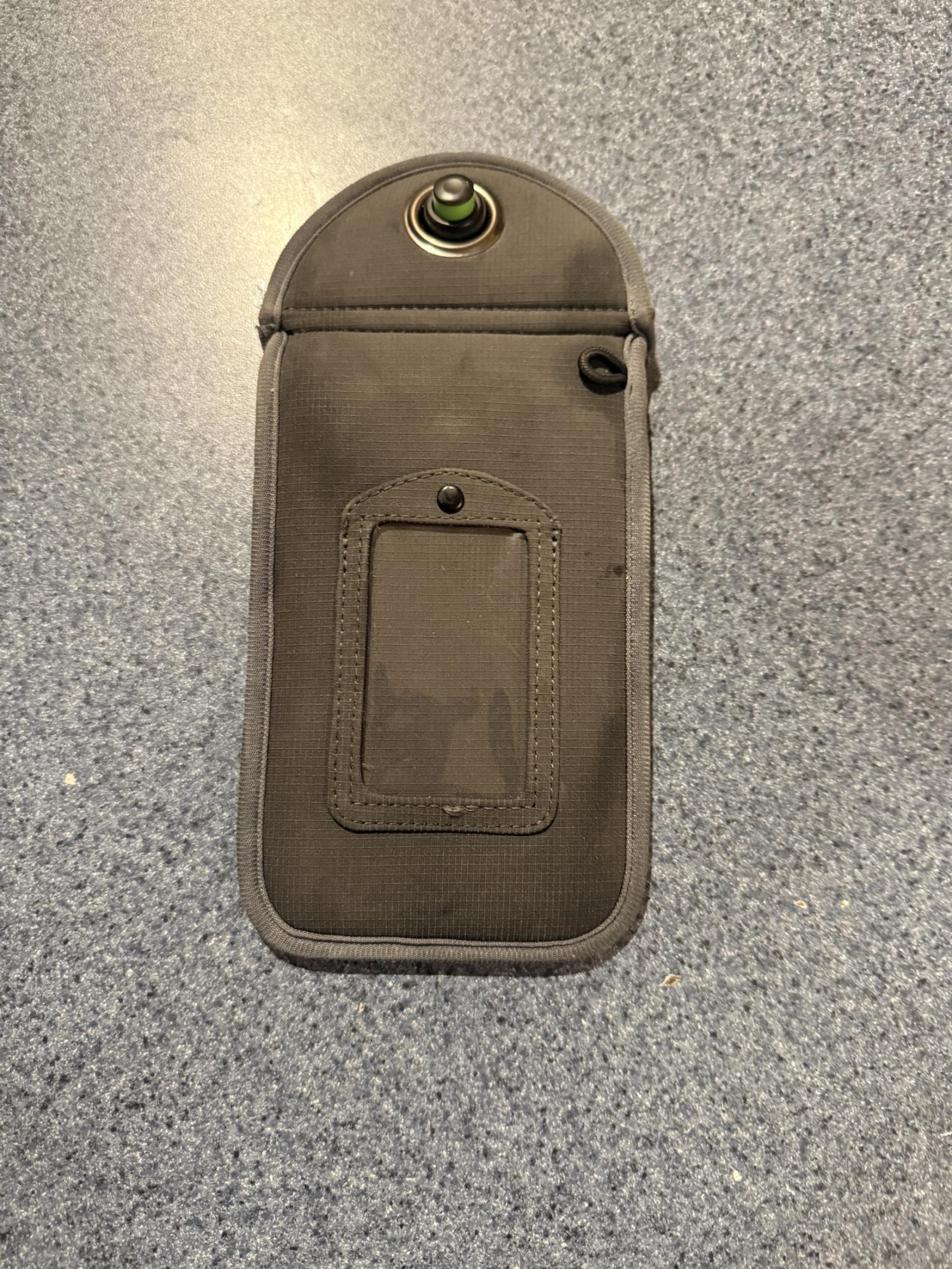 the school day. Phones are placed inside the pouch at the beginning of school and can only be unlocked with a special magnetic device after dismissal or during approved situations.
Supporters believe the Yondr pouches could improve focus in classrooms, reduce distractions, and help students interact more face-to-face. Critics, however, question whether students will actually follow the rules and whether the pouches create more trouble and confusion than before.
LHS is currently considering implementing Yondr pouches next year in response to the possible statewide phone restrictions.
Administrative Perspective
LHS Principal Mrs. Nemeth said that she has spoken with administrators from high schools that already use Yondr pouches,
“Overall, they see an increase in engagement in classes and much more communication
skills between the students throughout the day,” she said.
According to Mrs. Nemeth, schools have struggled with phone distractions for years, especially
during class instruction and testing. She believes that the pouches could help reduce cheating,
cyberbullying, social media conflicts, and students being dismissed throughout the day.
Mrs. Nemeth also expressed confidence that there are no other policies that would be as effective
as Yondr pouches.
“It’s tiring for teachers to consistently argue with students about putting the phone away
and it takes away from learning time.”
By locking your phone up at the beginning of the day and not having access to it until the end, there will be fewer discipline issues and more focus on learning and fun.
Concerns and Challenges
Still, not everyone is convinced the policy will work smoothly.
Concerns have also been raised about emergencies, communication with parents, and the amount
of time it takes to lock and unlock devices each day.
Baird Middle School teacher Mrs. Seara discussed how the policy affected classrooms. 
“I am the only teacher that has a magnet in her class [there are only] 7-8 in the school,” she said.
She expresses how chaotic it is during dismissal because kids will trample over each other to unlock their pouches to get dismissed at the end of the day.
Besides this, Mrs. Seara is still in favor of students not having phones on them during school.
“I like the fact that I am not constantly phone policing and competing with phones for students’ attention.”
Student Experiences
Freshman Siena Baghat already experienced Yondr pouches in middle school, and she agreed
that the unlocking process would be difficult.
“It was a pain trying to unlock hundreds of other students’ phones at the same time,” she
said.
Students easily find ways around the Yondr pouches, because there is really no way to check if
they have their real phone in there. Mrs. Seara witnessed firsthand what students
would do for their phones.
“Students go around the pouches…they carry a second phone and hide it in their
backpacks.”
She has also seen many damaged pouches caused by kids breaking them in the middle of the
day to access phones. Students will also lie to teachers, claiming “they left their phone at home”.
Baghat shared what middle school was like with the system.
“It was difficult having Yondr pouches. It was a responsibility to take care of a pouch that
most students didn’t care for.”
She is not in favor of bringing Yondr pouches to LHS.
“I think they are a waste of time and money…students need to keep contact with each
other.”
However, Baghat and Mrs. Seara claim that not having the phones in class did improve focus,
fewer distractions, and a decrease in cell phone misuse. However, students feel the policy
punishes everyone because of a smaller number of students who misuse phones.
Possible Alternatives
The debate over phones in schools is likely to continue even if the law passes. While some believe Yondr pouches are the solution, others think responsibility and self-control should be taught rather than forced through locked phones.
Mrs. Seara believes that we need to take a balanced approach.
“Elementary no phones…middle school restricted (yondr pouches), and high school limited with detailed and defined classroom expectations.”
There has been talk of possible alternatives to the Yondr pouch that answer Mrs. Seara’s belief in a cheap, efficient way.
As a member of Student Council, Yondr pouches have been a major conversation during our meetings. As students, we want to make sure students are happy while also following the rules. We realized that students already have access to fabric phone pouches in the front of every class. While different teachers may have different rules in how students should use their phones in class, we believe that if every teacher follows a strict in-class phone policy, students can have more freedom and responsibility with their phones than with the pouches.
At the beginning of each class, you are to be assigned a phone pouch to place your phone in. You will keep your phone in that pouch as class continues until it is time to switch classes. You will then repeat this process in every single class. This gives students partial access to their phones in the hallways and at lunch. This can also be helpful during emergencies, so that way you are able to access your phone by just asking the teacher, instead of searching to find one of the limited magnets.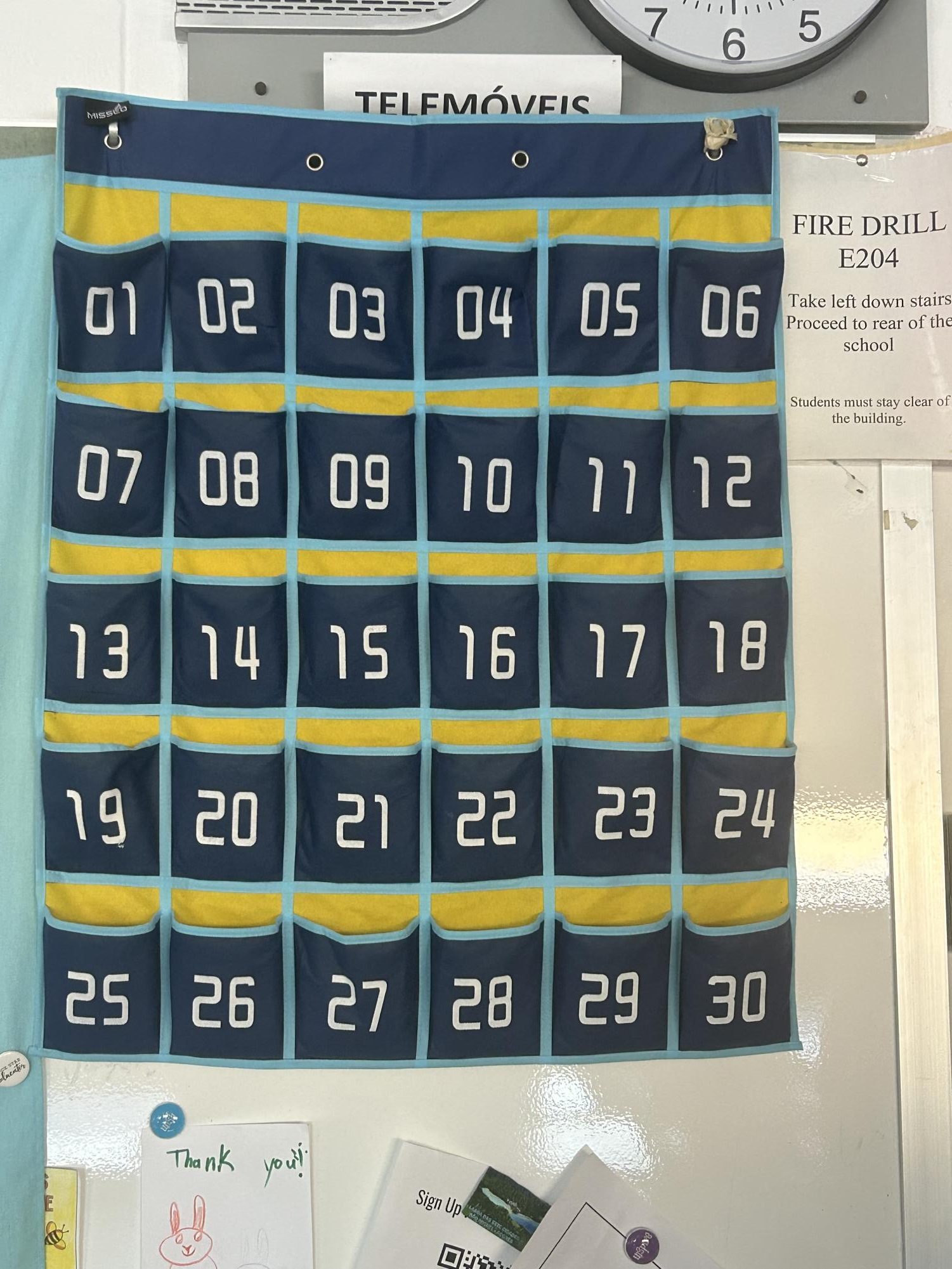
Your phone is your attendance. If you choose not to put it up in class, you will be marked absent. If you are caught with your phone in class, you can be written up. If you get written up many times, then you may receive punishments like detention, suspension, or maybe even having to put your phone in the main office the whole day.
This process begins with the teachers. While all classrooms have access to the fabric phone pouches, all teachers are different. Baghat states that only 2 out of her 7 teachers are strict about the “no phone” policy.
“It was more strict in the beginning of the year, but now they are more easy-going with having phones on the students,” she said.
If we can get all teachers to enforce the classroom rule of placing phones in the fabric phone pouches during class time, I think this policy can become an easier alternative that will seem more normal than locking your phone up.
Looking Ahead
While this process may take time to develop, as any new policy would, student council and I believe that this is a more efficient, cheaper alternative to Yondr pouches; the process works to help students not use their phones in class, but still builds responsibility and trustworthiness by not locking them up every day.
As the next school year approaches, students, teachers, and administrators will all be watching closely to see whether the new policy actually changes classroom behavior or if it creates a new set of challenges.